Rogue River-Siskiyou National Forests
Where the camps cluster
The place
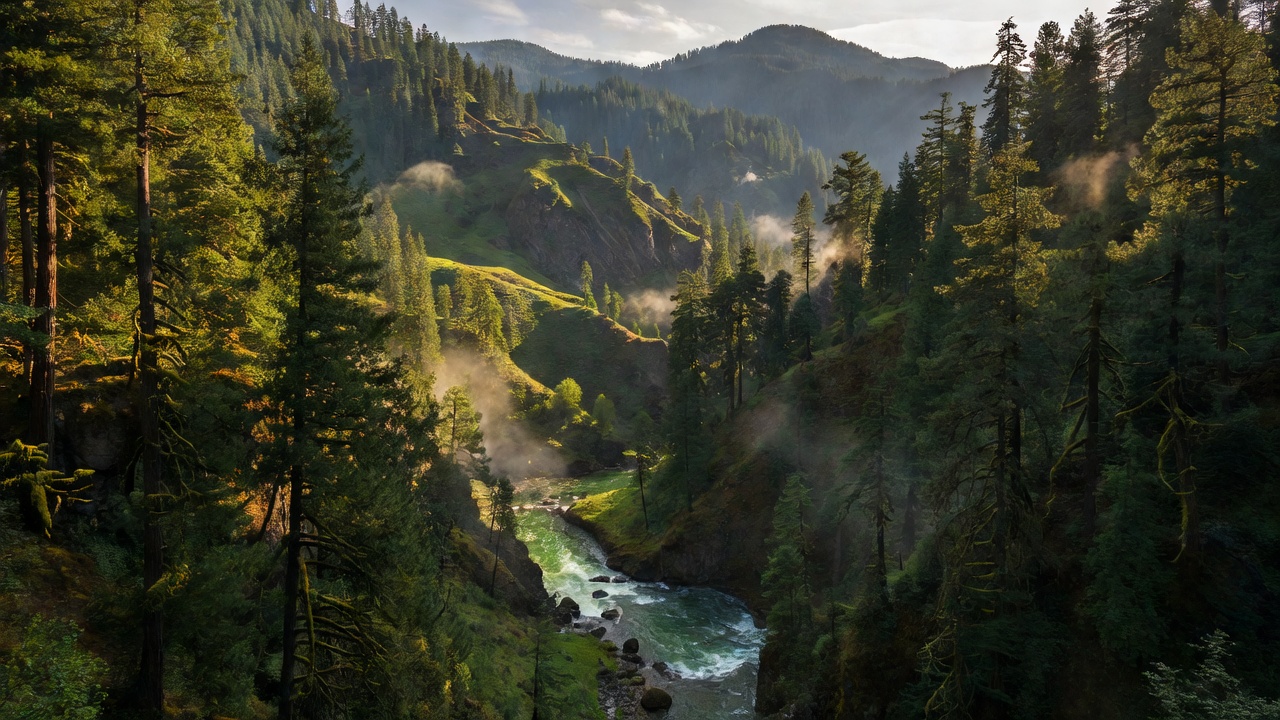
The Rogue River-Siskiyou National Forests cover close to 1.8 million acres of southwest Oregon, spilling across the state line into far northern California. The forest took its current shape in 2004, when the Forest Service combined two older forests -- the Rogue River and the Siskiyou -- into a single unit that runs from the whitewater canyons of the Wild and Scenic Rogue River to the rugged, mineral-streaked Siskiyou Mountains near the coast. This is a land of superlatives, most of them botanical: the Forest Service calls it the most floristically diverse national forest in the country, a place where ancient, glacier-spared plant communities cling to odd serpentine soils. Steep, remote, and wet on its western flank, it holds famous rafting water, deep old-growth, carnivorous-plant bogs, and one of the most storied stretches of wild river in the West.
History
The forest carries two lineages. The Siskiyou side traces back to a forest reserve set aside in 1905 and made the Siskiyou National Forest in 1907; the Rogue River side grew out of Crater National Forest, created around 1908 and renamed Rogue River National Forest in 1932. The two were joined administratively in 2004 as the Rogue River-Siskiyou National Forests. Long before any of that, this was the homeland of the Takelma, Shasta, and Athabaskan-speaking peoples of the Rogue River country (including the coastal Tututni and related bands). The 1850s gold rush pushed a flood of miners into these mountains, and the violence that followed boiled over into the Rogue River Wars of 1855-56; the survivors were forced north onto the Siletz and Grand Ronde reservations, and their descendants remain part of the region today. Mining, and later logging, shaped the forest through the 20th century.
Wildlife & plants
This is Roosevelt elk and black-tailed deer country, with black bears in the brush and cougars you will rarely lay eyes on. The old-growth stands shelter northern spotted owls -- the bird at the heart of the Northwest timber wars -- along with rarer residents like the Pacific fisher and, in the coastal forests, the marbled murrelet. Overhead you'll find bald eagles and osprey working the rivers. But the Rogue itself is the headline: it carries wild runs of chinook and coho salmon plus summer and winter steelhead, and that clear, cold water is a big part of why the river is protected. The forests range from towering Douglas-fir, western hemlock, and sugar pine to a botanical oddities-cabinet of serpentine specialists -- weeping Brewer spruce, Port Orford cedar, and boggy colonies of Darlingtonia, the carnivorous 'cobra lily' that traps insects inside its hooded, snake-like leaves.
Notable features
The star is the Wild and Scenic Rogue River, whose whitewater canyon through the Wild Rogue Wilderness is one of the classic multi-day raft and drift-boat trips in the West. To the west rises the Kalmiopsis Wilderness, a rugged, botanically famous tangle of the Siskiyou Mountains named for the rare shrub Kalmiopsis leachiana. Oregon Caves National Monument -- a marble cave up near the California line -- is tucked amid the forest (it's run by the Park Service, surrounded by national-forest land). The country is laced with serpentine ridges and endemic plants, deep old-growth on the wet western slopes, and remote backcountry that stays genuinely wild.
Camps are sourced from public U.S. Forest Service recreation data and have not been personally visited. Roads shown are Forest Service passenger-car routes (maintenance level 3–5) and may be seasonal or gated. Always confirm access, fees and fire rules with the ranger district before you go. Found a fee where we show free? Tell us on the contact page.