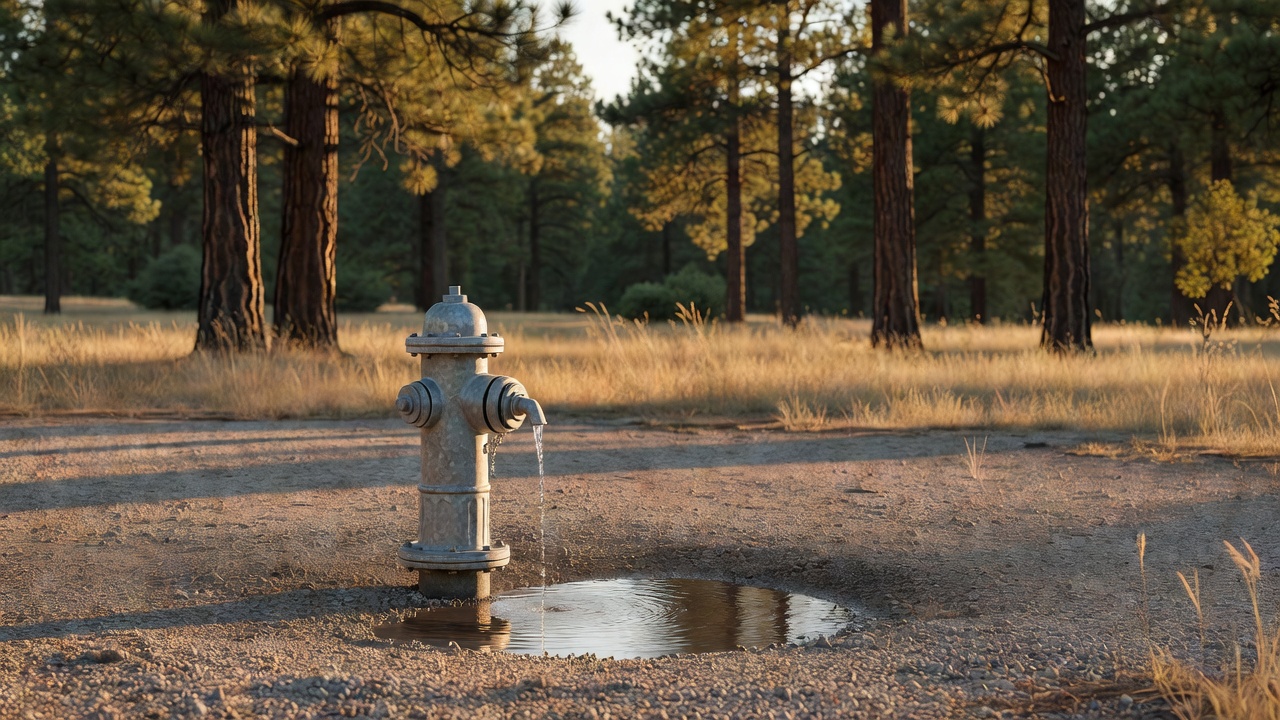
Potable water
Potable water is water that's been tested and treated to a legal drinking-water standard -- the stuff you can fill a bottle from and just drink. Out on public land it's a specific, labeled thing, not a description of how the water looks: a campground spigot can run clear, cold and all day long and still not be potable.
In the field
The word is a regulatory one, not a plumbing one. Under federal rules a campground tap that serves at least 15 connections, or an average of 25 people at least 60 days a year, is a public water system -- the EPA specifically calls a campground a "transient non-community water system," the category for places people drink but don't live. That means somebody is legally on the hook for sampling it. The EPA sets legal limits on over 90 contaminants, and states can go stricter than the federal floor, so the exact standard behind the word "potable" varies by state.
For your trip, the practical read is simple: potable means fill up and go, and it's the difference between a 20-minute top-off and hauling every gallon you'll drink for four days. Developed campgrounds commonly have it; dispersed sites essentially never do. So the question to answer before you leave pavement isn't "is there water out there" -- it's "where is the last potable fill on my route," because after that you're on your tanks and jugs.
Here's the catch, and it bites people every season: a spigot is not a promise. Sandy Flat Campground on the Stanislaus National Forest states flatly that potable water is not available at the site -- and in the same breath tells you there's a spigot fed from a well, seasonally. Both are true. Untested well water, stock water, and irrigation lines all come out of perfectly normal hardware. Unless a source is called potable or drinking water, treat it as wash-and-rinse water.
The other half of the catch is the calendar. These systems get shut down and drained so the lines don't freeze, so "has drinking water" often means "has drinking water in summer" -- Duck Creek Campground on the Dixie National Forest lists potable water, then narrows it to Memorial Day through Labor Day. Systems also go offline for repairs or a failed sample, and the forest posts that as an alert rather than editing the amenity list. Season dates and outages vary by forest and by campground, so check the managing forest's own page for the site, near the trip, every time.
And the stream is not a loophole. The Park Service's line is worth memorizing: never drink water from a natural source you haven't purified, even if the water looks clean. Clear, cold and fast-moving tells you nothing about what's upstream. Backcountry water becomes drinkable because you treated it, not because you found it.
See also
Put it to use
Sources
- EPA -- Information about Public Water Systems (public water system + transient non-community definitions)
- EPA -- Drinking Water Regulations (90+ regulated contaminants; states may be stricter)
- USDA Forest Service -- Sandy Flat Campground, Stanislaus National Forest (no potable water; seasonal well spigot)
- USDA Forest Service -- Duck Creek Campground, Dixie National Forest (drinking water Memorial Day through Labor Day)
- National Park Service -- Two Ways to Purify Water